Gayton McKenzie accused of not understanding fashion industry after his meeting with Shein
Fashion designer David Tlale said he doesn’t think Gayton McKenzie understands the complexities of the clothing and textile industry.



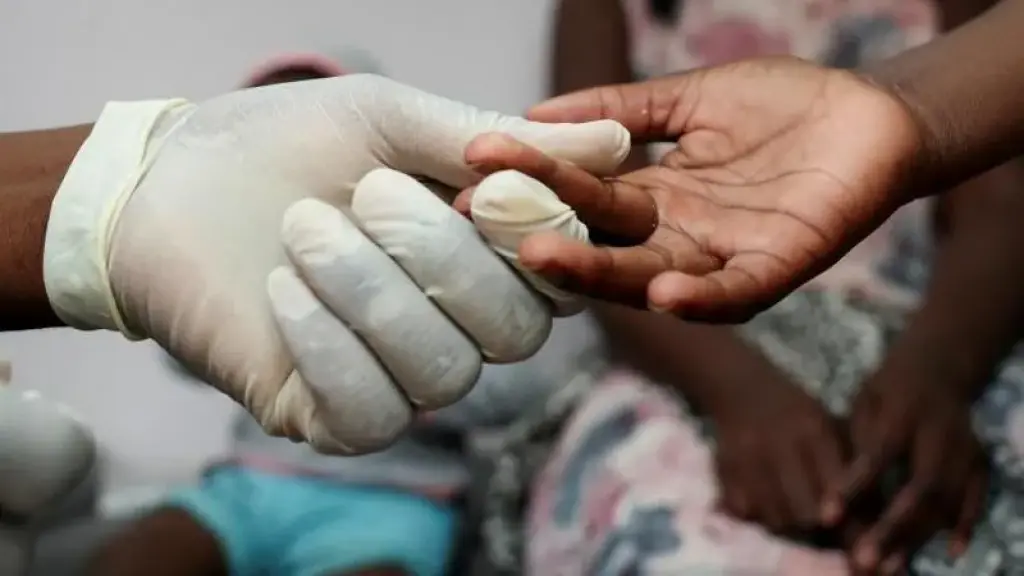
Gugu used to collect her antiretrovirals from a USAID-funded clinic in central Johannesburg.
"New HIV infections have been reduced by 40% since 2010, and 4.4 million children have been protected from acquiring HIV since 2000. More than 26 million lives have been saved," UNAids says, warning that if the world does not act, there could be an extra six million new HIV infections and four million Aids-related deaths by 2029.
UNAids said that, before the funding cuts, the annual numbers of new HIV infections and Aids-related deaths had sunk to their lowest levels in more than 30 years.
All of the data published in the report is from before the US and other donors slashed funding earlier this year. But it does highlight how much progress could be lost as a result of these cuts.
Sub-Saharan Africa has seen a 56% decline in the number of new infections. The region is still the epicenter of the epidemic - half of all new infections last year were from the continent. But four African countries - Lesotho, Malawi, Rwanda and Zimbabwe - were on track to achieve a 90% decline in new infections by 2030 compared with 2010.
Another success story for Africa has been the performance of antiretrovirals, which help suppress HIV symptoms. Along with other medical advances in the field, they helped increase life in sub-Saharan Africa from 56 years in 2010 to 62 years in 2024.
The turnaround began when then-US President George W Bush launched an ambitious program to combat HIV/Aids in 2003, saying it would serve the "strategic and moral interests" of the US.
Known as the President's Emergency Plan for Aids Relief (Pepfar), it led to the investment of more than $100bn (£74bn) in the global HIV/Aids response - the largest commitment by any nation to address a single disease in the world.
South Africa has about 7.7 million people living with HIV, the highest number in the world, according to UNAids.
About 5.9 million of them receive antiretroviral treatment, resulting in a 66% decrease in Aids-related deaths since 2010, the UN agency adds.
South Africa's government says Pepfar funding contributed about 17% to its HIV/Aids programme. The money was used for various projects, including running mobile clinics to make it easier for patients to get treatment.
The Trump administration's cuts have raised concern that infection rates could spike again.
"I think we're going to start seeing an increase in the number of HIV infections, the number of TB cases, the number of other infectious diseases," Prof Lynn Morris, Deputy Vice-Chancellor of Johannesburg's Wits University, tells the BBC.
"And we're going to start seeing a reversal of what was essentially a real success story. We were getting on top of some of these things."
Gugu points out that treatment is a matter of life and death, especially for vulnerable populations like sex workers.
"People don't want to default on their ARVs. They're scared that they're going to die if they don't get access to them.
The cuts have also affected research aimed at finding an HIV vaccine and a cure for Aids.
"There's the long-term impact, which is that we're not going to be getting new vaccines for HIV," Prof Morris adds.
"We're not going to be keeping on top of viruses that are circulating. Even with new viruses that might appear, we're not going to have the surveillance infrastructure that we once had."
South Africa has been one of the global leaders in HIV research. Many of the medications that help prevent the virus, and which have benefited people around the world, were trialled in South Africa.
This includes Prep (pre-exposure prophylaxis), a medication which stops HIV-negative people from catching the virus.
Another breakthrough preventive drug released this year, Lenacapavir, an injection taken twice a year and that offers total protection from HIV, was also tried in South Africa.