Gayton McKenzie accused of not understanding fashion industry after his meeting with Shein
Fashion designer David Tlale said he doesn’t think Gayton McKenzie understands the complexities of the clothing and textile industry.



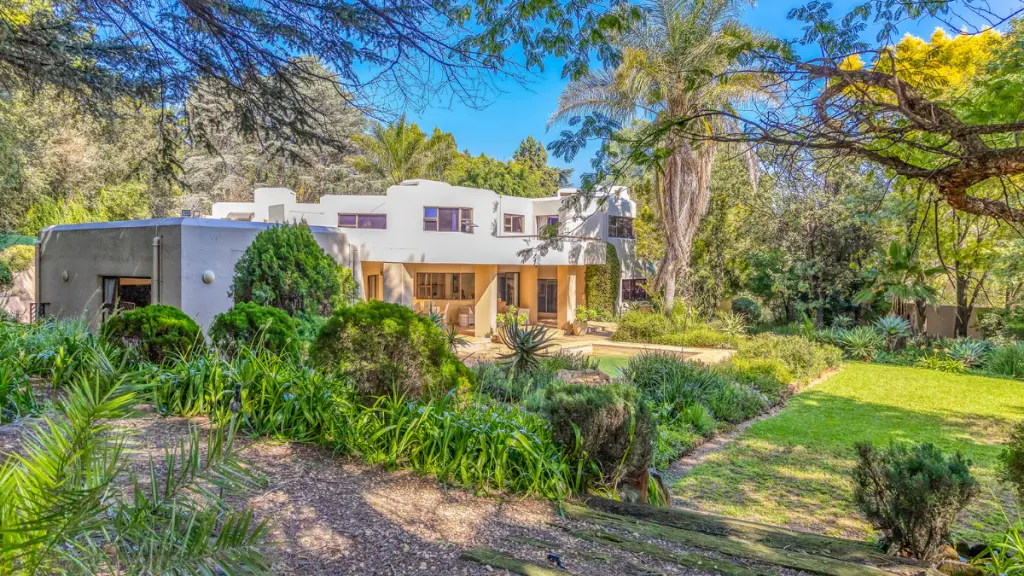
Multi-generational living is a growing trend in South Africa, with families increasingly buying larger homes or converting properties to accommodate elderly parents or adult children.
Tyson Properties explained that previously, the trend was families relocating to residential estates, followed by the Covid-induced work-from-home trend.
Now, free-standing homes and larger properties are being snapped up for a multitude of different uses—from accommodating elderly parents or adult children to earning supplementary incomes as rentals or Airbnbs.
Yunus Randeree, a property professional at Tyson Properties Morningside, Durban, said he has experienced this trend first-hand.
“Houses suitable for multi-generational families are coming onto the market in our area regularly. In fact, I’m selling more free-standing homes than ever before,” he said.
Randeree noted that families who buy a property for the extended family look at the land the home sits on to consider all the options.
They may evaluate whether there is room to build a cottage for parents, if the home can be renovated or if it is better to demolish and build a new home on the land.
“These buyers will typically view a property three or four times before they make an offer to purchase. They will bring in architects and designers upfront to determine if the home can be changed and given a good flow to suit everyone in the family,” Randeree explained.
“The majority of buyers want modernity, and entertainment spaces and gardens are key. On-site parking is also critical.”
Randeree added that both personal and private space are important for each generation. For example, grandparents need to be able to easily access their grandchildren but also have their own ‘space’.
Students and adult children also need to have their own spaces, preferably with separate entrances, so that they don’t wake their parents when arriving home in the wee hours and can entertain friends.
Table of contents [Show]

“Our decision to accommodate my parents was based on two critical factors – security and finances,” said a Cowies Hill homeowner.
“When we realised that our current small property was not suitable for building a flat for my parents, we began looking elsewhere in the same neighbourhood.”
They said that just five years ago, there was very little in Westville, with most options being cold and dilapidated converted servants’ quarters of old or poky add-ons.
“Although we relocated less than a kilometre from our home, we found a property that was flat and large enough to build a suitable stand-alone flat,” they said.
Not only did this increase the property’s value, but it also gave them peace of mind that their parents were safe and had help on hand for medical emergencies.
A Westville resident just across the road also bought a large family home and is renovating the garden cottage for one set of parents and building another to accommodate the other.
The latter travel and have a lock-up-and-go option, with their children stepping in to take care of pets when they pack their bags.
Although generations sharing homes was common and even a tradition in certain communities in the past, this is now far more universal given the cost-of-living, high unemployment, and the rising cost of properties.
“My parents had not made sufficient provision for their retirement,” another Durban resident explained.
Their parents could no longer maintain their very large property in a suburb where they had lived for over 50 years. However, they found that their home could barely fund a unit in a retirement complex, and their pension would not cover the levies.
The Durban resident said they used the proceeds from the house sale to cover essentials they could not afford, like a new car and hearing aids.
They then used a small portion to convert a large workshop, laundry, and garage into a one-bedroom flat that was far more modern and convenient than their old home.
“They now live rent-free, and we will have an asset that we can ultimately let when they no longer need it,” the resident said.
Tyson Properties noted that advice from families that have hunted down homes suitable for conversion or perfect for accommodating different generations is plentiful.
For the elderly, look for flat properties and ensure that cottages are easy to access and do not have stairs.
The devil is in the details, especially if the homeowner may later let the property. Ensure separate entrances, with their own doorbells, and practical amenities such as washing lines, dustbins, and alarm systems.
“In every large city, Tyson Properties has discovered that a multi-generational lifestyle is a growing trend,” said Tyson Properties CEO Chris Tyson.
Tyson explained that intergenerational living makes a lot of sense in South Africa’s current economic climate.
Bringing parents or young adult children together helps with finances and enables family members to share bond repayments, utilities, and maintenance.
It also makes it easy for families to enjoy joint gatherings while having the luxury of retreating into their own private spaces without travelling long distances.
“This is about combining independence and togetherness in the most practical of ways – and many of the large residences in older suburbs are perfect for multigenerational conversion,” he said.


Issued on Daily Investor by Kirsten Minnaar | https://dailyinvestor.com/property/99362/south-africans-are-snapping-up-these-homes/