Gayton McKenzie accused of not understanding fashion industry after his meeting with Shein
Fashion designer David Tlale said he doesn’t think Gayton McKenzie understands the complexities of the clothing and textile industry.



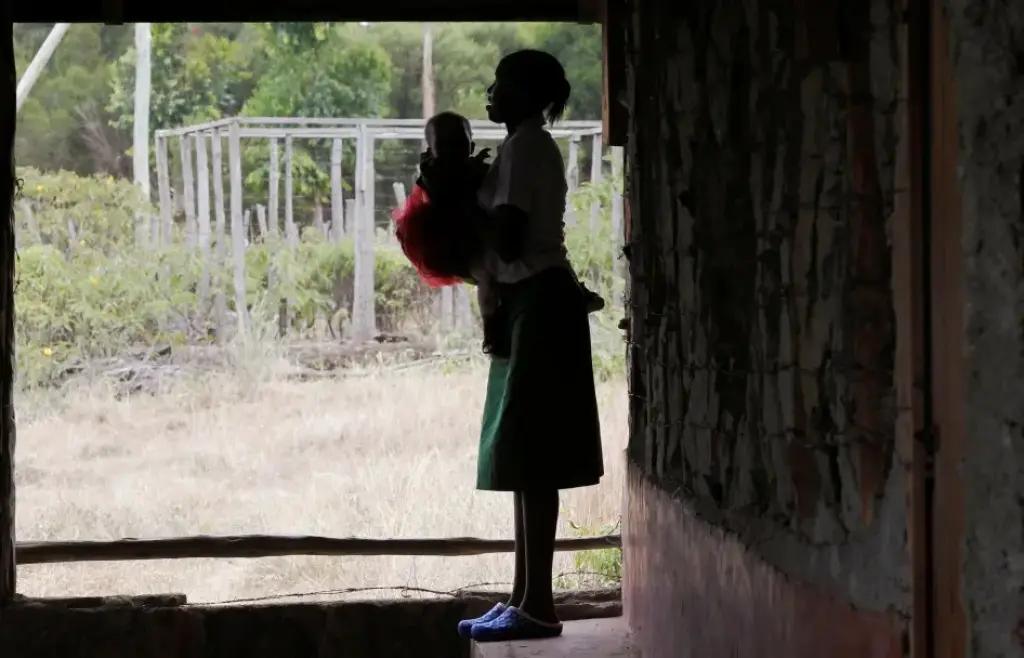
Pretoria, July 9 (Prensa Latina) South African officials and civil society leaders today expressed concern over the rising rates of teenage pregnancy in the country.
At a meeting held here between the parties involved in addressing the issue, participants warned that this trend represents a significant risk to both the nation's development and the well-being of its youth.
During the meeting, Steve Letsike, Deputy Minister of the Presidency for Women, Youth, and Persons with Disabilities, described the situation as a crisis that extends far beyond health and affects the social fabric and the country's future prospects.
In her speech, Letsike revealed that in 2024, more than 90,000 pregnancies were recorded in girls between the ages of 10 and 19, including more than 2,300 cases of girls between the ages of 10 and 14.
"It's not just about statistics," she emphasized, "we're talking about girls—some of whom aren't even teenagers—being forced into motherhood," Letsike said.
The Minister emphasized that these early pregnancies not only reflect a social failure, but also, in the case of younger girls, are evidence of criminal acts, since girls at a young age cannot give legal consent.
The senior official warned that the consequences of teenage pregnancies are far-reaching and jeopardize girls' health, rights, education, and economic opportunities.
She also explained that young mothers are less likely to complete their education, face limited job prospects, and risk becoming trapped in cycles of poverty and inequality.
"Today's teenage pregnancy is tomorrow's poverty," he emphasized.
The deputy minister also highlighted the links between teenage pregnancy and other critical challenges, such as HIV and sexually transmitted infections, child sexual abuse, gender-based violence, poverty, and educational exclusion.
He therefore called for a frank and honest analysis of the root causes, including harmful cultural norms and inadequate protection of girls.
For her part, Asanda Luwaca, president of the National Youth Development Agency, described the situation as a collective failure to safeguard the rights and dreams of girls, particularly those from marginalized backgrounds.
Luwaca emphasized that teenage pregnancy is intertwined with gender inequality, exploitation, and lack of accountability, and called for decisive action from all of society.