Gayton McKenzie accused of not understanding fashion industry after his meeting with Shein
Fashion designer David Tlale said he doesn’t think Gayton McKenzie understands the complexities of the clothing and textile industry.



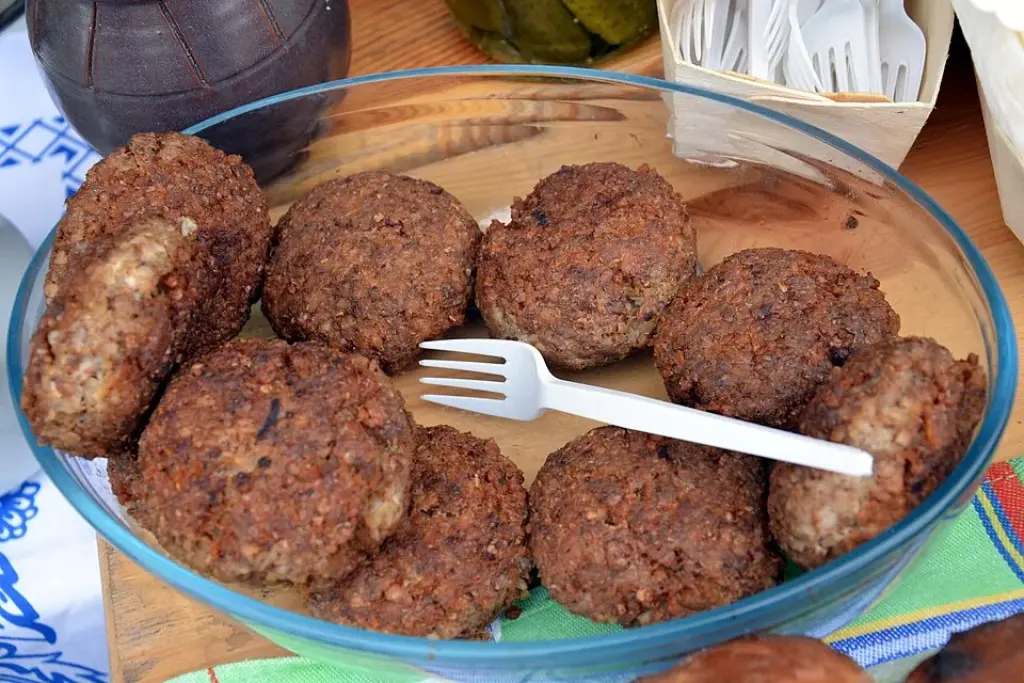
If you’ve ever taken a long road trip in South Africa, you’ll know the joy of padkos.
More than just food for the journey, padkos is a ritual, a memory, and a symbol of South African hospitality. For generations, families have carefully packed homemade treats into Tupperware and old biscuit tins, ready to be shared on the roadside or savoured somewhere between home and holiday. Now, with a renewed interest in heritage food and nostalgic travel experiences, padkos is making a comeback.
Table of contents [Show]
The word padkos comes from Afrikaans, translating literally to “road food.” But it means far more than a quick snack on the move. It speaks to a time before petrol stations sold pre-packaged pies, chips, and cold drinks. Padkos was about care and preparation, a reminder that the journey was just as important as the destination.
From the coast to the Karoo, families would spend the evening before a trip baking, cooking, and packing. Padkos was lovingly made and always abundant, ensuring that no one went hungry along the way. It also had a practical purpose: in the days when roadside cafés and service stations were rare, travellers relied on what they brought from home.
Padkos isn’t about gourmet presentation or fancy ingredients. It’s about comfort, tradition, and practicality. Foods were chosen because they travelled well, didn’t spoil quickly, and could be eaten without much fuss. Think boiled eggs, meatballs, rusks, sandwiches, and slices of leftover roast chicken. Add a flask of sweet tea or strong coffee, and you had everything you needed for a memorable journey.
The best padkos often came wrapped in wax paper, packed in enamel containers, or stowed in tins that rattled cheerfully in the boot. Opening up those containers felt like uncovering treasure—simple food, yes, but made with love and often linked to family recipes passed down over generations.
If you grew up in South Africa, chances are you remember some of these classics:
Padkos was never eaten alone. It was laid out and shared, often at roadside stops, under the shade of a tree, or at designated picnic spots along national highways. Families would unpack enamel mugs, spread blankets, and turn even the simplest rest stop into a mini-feast.
This sharing was more than practical, it was cultural. In South Africa, food has always been tied to community. Padkos reminded travellers that the journey itself could be joyful, punctuated with laughter, conversation, and the comfort of a familiar taste.
In today’s fast-paced world, padkos has shifted. Convenience stores, petrol station bakeries, and fast-food outlets have replaced the homemade tradition for many. But recently, there’s been a revival. With the slow food movement, heritage cuisine projects, and an increased appreciation for local traditions, South Africans are returning to the art of preparing padkos.
Social media has also played a role in this resurgence. Instagram feeds now brim with artfully packed enamel tins, filled with both classics and creative twists. Think sourdough sandwiches, artisanal biltong, or vegan-friendly lentil frikkadels. Road trip culture has embraced nostalgia, where families and groups of friends rediscover the joy of slowing down, planning the food, and making the journey as memorable as the destination.
Beyond its cultural and emotional value, padkos also aligns with modern ideas of sustainability. By packing food from home, travellers cut down on single-use plastics, fast-food packaging, and processed snacks. A flask of coffee replaces multiple takeaway cups, and re-usable containers make it easier to travel with less waste.
If you’d like to bring padkos back into your travels, here are a few ideas:
Ultimately, padkos is about connection to family, to heritage, and to the road itself. It’s about the anticipation of adventure, the joy of sharing, and the comfort of tradition. While fast food might be quicker, it lacks the soul of padkos—the boiled eggs, the frikkadels, the koeksisters, and the flask of coffee that taste like home.
As South Africans embrace local traditions with fresh eyes, padkos stands as a reminder: the journey matters, the food matters, and sometimes, the simplest pleasures are the ones that last longest.
Issued on Getaway by Zoe Erasmus |https://www.getaway.co.za/food/rediscovering-the-south-african-tradition-of-padkos/