Gayton McKenzie accused of not understanding fashion industry after his meeting with Shein
Fashion designer David Tlale said he doesn’t think Gayton McKenzie understands the complexities of the clothing and textile industry.



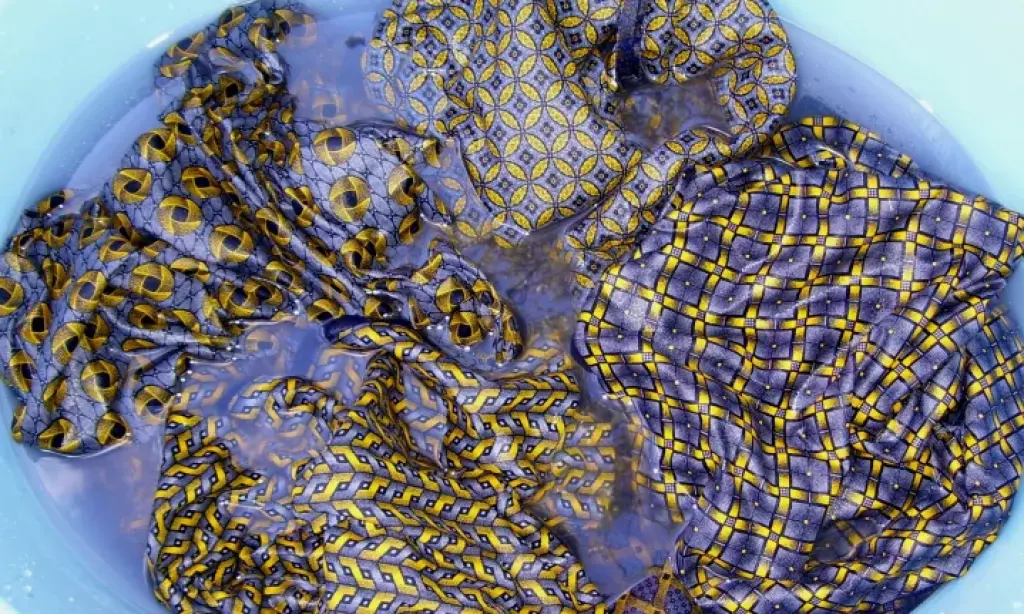
South Africa’s textile heritage is as diverse as its landscape and citizens.
Each region offering distinctive fabrics, beadwork and weaving practices that continue to hold cultural significance today. These traditions provide travellers with a rich perspective on local history and artistry.
Table of contents [Show]
The Ndebele people of Mpumalanga are recognised for their bold geometric designs, which appear not only on homestead walls but also in beadwork and textiles. Clothing and cloth featuring these distinctive patterns are available from roadside craft stalls and cultural centres throughout the province. In Gauteng, the Mapula Embroidery Project in Winterveld is another important initiative, producing large, detailed embroidered cloths that reflect social commentary and community history. Johannesburg’s Rosebank Art and Craft Market is also a central hub for purchasing Ndebele beadwork alongside crafts from other regions.
The Eastern Cape is central to Xhosa textile traditions, where beadwork remains a prominent form of communication and cultural expression. White, black and blue beads are often arranged into symbolic patterns worn during initiations, weddings and other ceremonies. The province is also home to Shweshwe, an indigo-dyed cotton fabric introduced in the 19th century that has since become synonymous with South African dress. Travellers can find authentic Shweshwe in local fabric shops across towns such as King William’s Town and Mthatha. The Keiskamma Art Project in Hamburg is also worth a visit, producing embroidered works that record the history and daily life of the community.

Metropolitan Museum of Art/Wikimedia Commons
The Basotho blanket is a textile deeply tied to cultural identity in Lesotho and parts of the Free State. Worn daily and during ceremonies, these thick, patterned blankets are not only practical in the mountain climate but also rich in symbolism, with motifs representing milestones and status. The town of Maseru in Lesotho has numerous shops specialising in authentic blankets, while in the Free State, smaller cooperatives sell them in border towns such as Ficksburg and Ladybrand.
Venda culture places strong emphasis on textiles, with striped nguvho cloths forming part of traditional dress and ceremonial attire. In Limpopo, craft cooperatives play a vital role in preserving and adapting these traditions. The Kaross embroidery project near Letsitele employs women from surrounding villages to create intricate embroidered textiles that often depict local flora, fauna and daily life. Visitors can tour the workshop and purchase directly from the artisans.

South African Tourism/Wikimedia Commons
In KwaZulu-Natal, textiles are closely linked to beadwork traditions, which historically functioned as a form of coded language. Patterns and colours can signify love, family ties or personal status. Durban’s Warwick Junction is a key market to explore for authentic beadwork, woven cloth and traditional items such as the isicholo, the iconic Zulu hat. Rural craft groups across the province also create bead-adorned garments and accessories that are sold directly to travellers.
Across the country, travellers can join workshops that provide an immersive introduction to textile traditions. Beadwork classes in KwaZulu-Natal, embroidery sessions in Limpopo, and natural dyeing workshops in the Eastern Cape offer opportunities to learn directly from artisans. These experiences provide not only practical skills but also cultural context, as participants hear stories about the meaning behind patterns, colours and designs. Many community cooperatives welcome visitors for day-long or short-stay programmes, allowing travellers to take home a unique, handmade piece that they have helped create.
South Africa’s textile traditions are not only heritage practices but also vital sources of income for rural communities. Buying directly from artisans or recognised cooperatives ensures that your purchase supports families, sustains craft knowledge, and helps preserve cultural identity in a rapidly modernising world. Authentic textiles carry stories that mass-produced imitations cannot replicate.
Issued on Getaway by Mariam Kimvangu | https://www.getaway.co.za/travel-news/a-travellers-guide-to-sas-textile-traditions/






_MET_lbTR197_10_2005.jpg)
.jpg)